Dreams About Being Shot — What They Might Mean
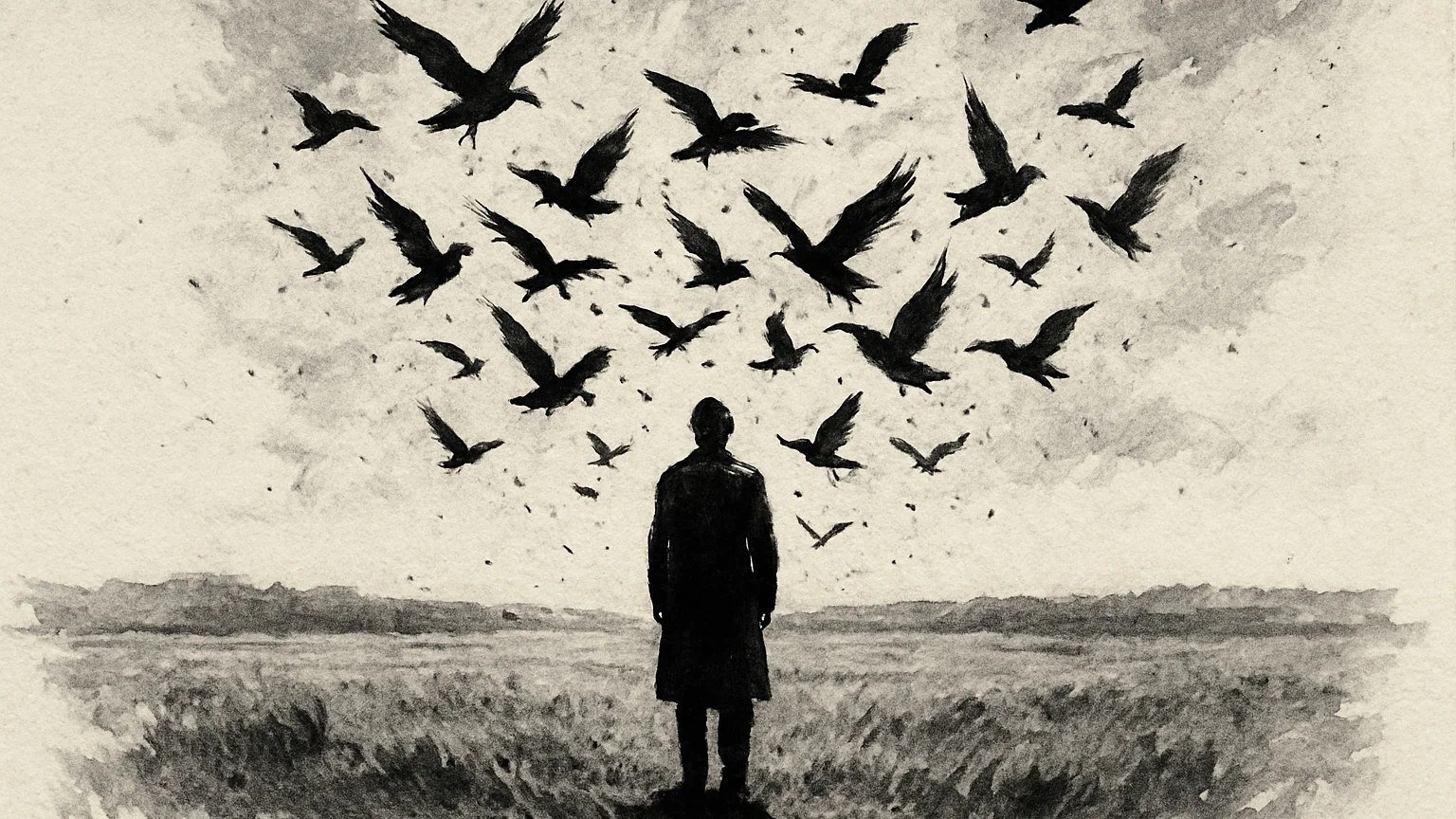
Dreams about being shot are dark, common, and almost never what they seem to threaten. The gun is the dream’s instrument for one specific feeling — harm that arrives faster than reaction, from a distance, without negotiation — and the dream tends to fire it when waking life has landed, or aimed, exactly that kind of blow.
What this dream might be about
Every weapon a dream chooses is a description. Teeth and claws mean the threat is close and personal; the knife means intimate range and intent; the wave means scale. The gun means something else entirely, and it’s worth naming precisely, because it’s the whole reading: a gun is harm at a distance — sudden, impersonal, faster than reflex, requiring nothing from the attacker but a decision. Nothing else in the dream’s arsenal delivers damage with so little warning and so little contact. So when a dream reaches for a gun, it’s usually describing a waking blow with that signature: the ambush. The criticism that came out of nowhere. The decision made about you in a room you weren’t in, announced in a sentence. The message that ended something before you’d finished reading it. If you’ve recently taken — or are bracing for — harm that would arrive fast, from range, and without discussion, the dream chose its instrument accurately.
Being shot at, though, is not the same dream as being hit, and the gap between them is where this dream does its subtlest work. An enormous amount of dream gunfire misses, falls short, or lands without force — bullets that drift like thrown paper, impacts that bloom and fade, wounds inspected and found survivable. Dreamers tend to report this sheepishly, as if the dream malfunctioned. It didn’t. The harmless bullet may be the most honest object in the whole scene: the feared blow, delivered — and you, still standing. These dreams often follow real impacts by a few nights, and read less like threat than like inspection: the mind checking the wound, confirming the caliber of the thing was smaller than the fear of it. If something recently hit you and the dream-bullets did nothing, consider that a report from the field.
Then there’s the version where the gun is in your hand — and won’t work. The trigger that won’t pull, the bullets that tumble out weightless, the aim that swims: this is one of dreaming’s most universal experiences, the same motor glitch that makes dream-running feel like wading and dream-punches land like sighs. The machinery is neurological, but the dream casts it meaningfully: your gun fails at the exact moment of need, and the feeling it stages is agency that can’t discharge — the anger you can’t express at the person who’s earned it, the defense you can’t mount in the meeting, the authority you hold on paper and can’t fire in the room. Dreamers wake from this one furious and ashamed in equal measure. Neither is warranted. The failing dream-gun is nearly everyone’s dream-gun; what’s worth keeping is the question of where, awake, your force currently has no outlet.
And who pulled the trigger matters — the dream’s casting is rarely idle. A shooter with a familiar face is the dream rendering a live conflict at its felt intensity (not its real one — being dream-shot by your sister is about the argument, not her character). A faceless or unseen shooter is threat with no return address, and tends to visit when waking dread lacks one too: the anxiety that scans without finding, the sense of being targeted by circumstances rather than persons — the economy, the process, the year. The dream needs a shooter the way the feeling needs a source, and when life won’t supply one, the dream leaves the face blank and shoots anyway.
None of these readings is the meaning. They’re the places this dream tends to visit. Which one it visited in you is something only your night, and the life around it, can say.
Shot by someone you know
The face is the headline, and it deserves the same caution as every dream-casting: this is a portrait of the conflict’s felt caliber, not of the person. Being shot in a dream by a partner, parent, friend, or boss tends to mean the tension there has acquired the gun’s signature — words or decisions from them now land sudden and unanswerable, or you’ve begun bracing as if they might. The dream measures your flinch, not their intent. Worth taking seriously as a reading of the relationship’s current weather; worth taking never as evidence. The person in your dream was played by an actor. The role, though — the role your mind wrote — is worth a look.
Shot from nowhere
No shooter, no warning — walking, and then hit, the dream skipping straight to impact. This is the ambush in pure form, and it clusters after waking blindsides: the layoff with no preamble, the diagnosis from a routine visit, the breakup that arrived mid-ordinary-Tuesday. When the blow has already landed in life, this dream is usually digestion rather than warning — the mind re-running the suddenness itself, which is often the part that hurt most. What these dreamers frequently grieve isn’t the wound but the missing before: there was no moment they could have seen it coming. The dream stages that truth exactly, and staging it is how minds file it.
Shot in the back
The idiom made literal, and the dream knows the idiom as well as you do. Impact from behind carries the specific charge of trust violated — harm from the direction you weren’t guarding because you’d assigned it to someone. It tends to fire amid suspected or discovered betrayals: the colleague and the credit, the friend and the retold secret, the partner and the doubt. Same caution as ever, doubled — this dream traffics in the feeling of betrayal, which runs well ahead of evidence, and waking suspicious of someone specific means the suspicion predated the dream, not that it’s founded. The dream is a place the doubt surfaced. It is not the doubt’s proof.
The bullets that do nothing
Sometimes the whole dream is this: fired upon — repeatedly, even calmly — and the bullets slow, drift, drop at your feet, or pass through with no more force than cold air. Dreamers wake puzzled by their own composure. As above, this may be the dream’s most underrated message: an inventory of impact taken and survived, fear audited and found smaller than advertised. It tends to arrive on the far side of hard things — after the verdict, once the dust settles — and sometimes mid-siege, in people weathering sustained fire (criticism, litigation, a public season) who are, to their own surprise, still upright. The dream isn’t denying the shots are real. It’s reporting what they’ve actually managed to do — which, so far, is less than they threatened.
Your gun won’t fire
The full version of the glitch described above, and for many dreamers a recurring signature: the moment demands force — defense, rescue, confrontation — and the weapon in your hand goes soft. Trigger frozen, bullets rolling out like marbles, the shot finally fired arriving slow enough to watch. Beneath the neurological quirk, the recurring form tends to track a standing condition: somewhere, your force is chronically without outlet — anger unexpressed for years, authority never quite exercised, self-defense perpetually postponed for the sake of peace. The dream can’t fix the outlet. But dreamers who finally address the waking version often report, in passing, that the gun dreams quietly stopped.
The shooter in the building
The modern nightmare — halls, hiding, the sound getting closer — and it needs handling apart from the rest, because it usually isn’t symbolism at all. This dream tracks the news: it rises measurably in the days after prominent real events, spreads through exactly the populations drilled for it, and visits teachers, students, and parents at the highest rates — minds rehearsing a threat the culture has told them to rehearse. If this is your version, the dream is likely ambient dread doing its rounds, not a message about your life, and limiting the coverage you absorb before bed genuinely reduces it. And if your version isn’t ambient — if you were there, somewhere, once, and the dream is memory wearing tonight’s date — then this page respectfully hands you to its last section, because what you’re carrying isn’t a symbol, and it deserves better than interpretation.
What matters more than the symbol
Here is the honest limit of a page like this one: the same shot lands differently in different lives. Dream-gunfire the week after a blindside layoff is not dream-gunfire in the third year of a custody fight, and neither is the dream of someone who checked the news too late at night. A dictionary can tell you what a word tends to mean. It cannot tell you what the sentence meant — and the dream you had was a sentence, spoken once, in your voice, in the middle of your particular life.
No one can tell you what your dream means — including us. What the shot was doing in your night depends on what surrounded it: what recently hit you or is aimed at you, who held the gun and whether it worked, what the bullets did on arrival, and what you did next — ran, froze, or stood there discovering you were still whole. Those details are where the meaning lives, and they belong to you.
Before you go looking for meaning
One practical note, in two parts. First, the ordinary one: this dream reads the news. Being-shot dreams rise in the days after prominent coverage, and screens before sleep hand the night its material — if yours arrived during a heavy news week, the simplest reading is absorption, and the simplest remedy is distance before bed. Second, the part that matters more: if you have lived through real gun violence and your dreams replay it — the actual place, the actual sounds, on repeat — that is not symbolism, and nothing on this page applies. Recurring replay nightmares are a recognized part of trauma, they are common in survivors, and they are genuinely treatable; people who bring them to a trauma-informed professional very often get their nights back. A dream dictionary is for symbols. What you survived deserves a person.
Frequently asked questions
What does dreaming about being shot usually mean?
The gun's signature is what the dream borrows: harm that is sudden, impersonal, and arrives from a distance, faster than any reaction. The pattern most often reported ties these dreams to waking ambushes — the criticism, decision, or news that hit without warning — and to conflicts where the other side holds disproportionate power. It isn't a premonition, and surviving the shot, in the dream and after it, is the norm.
I was shot in my dream but felt no pain, or survived — what does that mean?
Both are extremely common — dream bullets frequently land without force, and dreamers regularly continue the dream after being hit. Read symbolically, the harmless bullet is often the dream's quiet good news: the feared blow landed and did not destroy you. If a specific impact recently arrived in your waking life — the verdict, the rejection, the loss — the dream may be reporting, accurately, that you're still standing.
Why won't the gun fire when I try to shoot in my dream?
This is one of dreaming's most reliable glitches — triggers that won't pull, bullets that drop or drift, punches that land soft. Dream bodies are famously weak at decisive action; it's the same machinery that makes running feel like wading. When it's your gun failing, the dream is often rendering agency that stalls at the critical moment — anger, self-defense, or authority that can't discharge when needed. Frustrating, common, and not a verdict on you.
I keep dreaming about a shooting that really happened, or after seeing one in the news — is that normal?
Yes, and the two cases deserve separating. Dreams absorbing news coverage are ordinary — these dreams measurably rise after prominent events, ambient dread doing its rounds. But if you lived through real gun violence and the dreams replay it, that's not symbolism; recurring replay nightmares are a recognized part of trauma, they're treatable, and they respond to real help. A page like this is for symbols. What you're carrying deserves more than a page.